
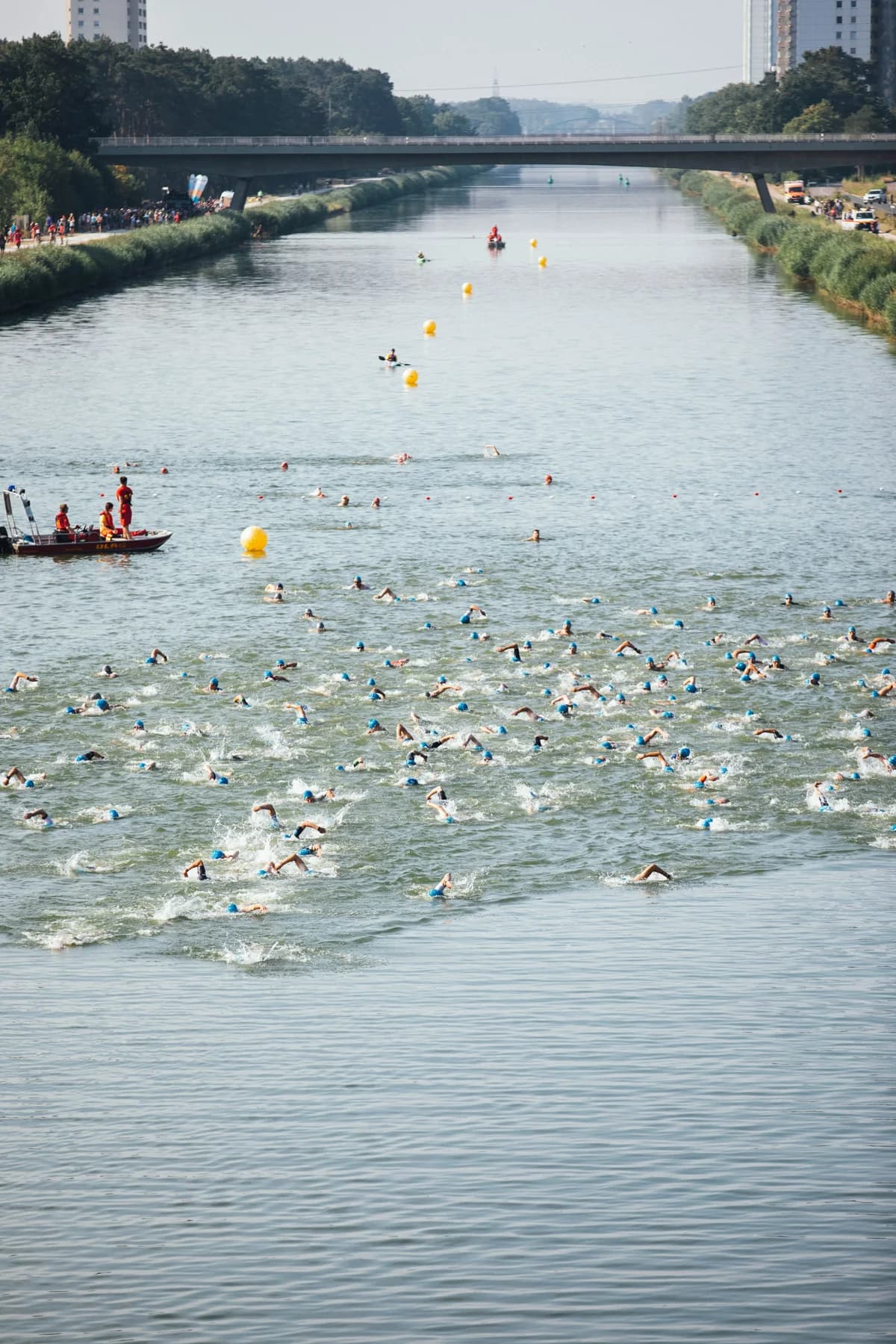
It’s Kona week — the biggest week in triathlon. On Saturday morning in Kailua-Kona, Hawaii, the cannon fires and the Ironman World Championship begins: 2.4 miles of ocean swimming, 112 miles of cycling through lava fields, and a marathon in the Hawaiian heat.
You don’t need a start line on Ali’i Drive to care about this race. Kona is the standard every triathlete measures themselves against — and whether you’re chasing a slot or your first finish line, there’s plenty to steal from how this race is won.
Why Kona is Kona
The World Championship has been staged in Kona since 1981, and generations of the sport’s defining moments have happened here: the dawn swim start off the Kailua pier, the lonely highway to Hawi, the finish line on Ali’i Drive. It is, without serious argument, the spiritual home of long-course triathlon.
That history is exactly why Kona week matters even if you’ll never race it. Every October, the fastest athletes on the planet show — on the hardest honest course in the sport — what the human body can do with years of patient work behind it.
How athletes punch their ticket
For age-groupers, the road to Kona runs through qualifying Ironman races around the world, where the fastest athletes in each age group earn slots to the start line. It is one of the hardest tickets in endurance sport — which is precisely why it means so much.
Professionals qualify through the season-long points system, racing their way into the deepest field of the year. Come Saturday, both fields share the same ocean, the same highway, and the same heat.
The course, discipline by discipline
Swim — 2.4 miles in Kailua Bay. Warm, salty water, no wetsuits, and a churning mass start as the sun comes up. It makes your local race start look calm.
Bike — 112 miles on the Queen K Highway. Out to Hawi and back through shadeless lava fields, with crosswinds that can push a rider sideways and heat that builds all day. The long drag to the Hawi turnaround and the fast descent home define the race.
Run — 26.2 miles. Down Ali’i Drive, then out to the Energy Lab — a lonely, exposed out-and-back stretch where championships are quietly decided — before returning to the finish on Ali’i.
What to watch on Saturday
Race-week update: the pro field took a big hit — defending champion Casper Stornes is out after a training crash on the Big Island (a wind gust caught his front wheel; broken collarbone and a fractured L3 vertebra). That blows the men’s race wide open: four former world champions line up, with Gustav Iden and Kristian Blummenfelt carrying Norwegian hopes and three-time winner Patrick Lange racing his final Ironman World Championship.
- The swim start: thousands of athletes hitting the water at dawn.
- The crosswinds past Waikoloa: this is where the bike race splits open.
- The Energy Lab: whoever runs out of the Lab in front usually wins.
- The Ali’i Drive finish after dark — the real show.
What it means for your training
Train for conditions, not just fitness. Kona is won by athletes who respect heat and wind. Your race has its own version of the Queen K — train for it.
The bike sets up the run. Every October, the marathon rewards the athlete who rode smart. Pacing is a skill — practice it on your long rides, not just on race day.
Adapt mid-race. Plans meet reality somewhere around Hawi. The best athletes adjust; rigid plans break. That’s the whole idea behind TriTrain — a plan that bends when life, weather, or a bad week gets in the way, instead of pretending you’ll “catch up” later.
Founding 50 applications are open — 8 weeks of free early access
Source note: Event information was checked against the official organizer page on 2026-10-05. Details and availability can change. Verify everything with the organizer before registering or traveling.